Choosing between a wood or glass coffee table depends on your aesthetic preferences, lifestyle, and practical needs. Wood tables offer warmth, durability, and versatility for traditional or rustic styles, while glass tables provide a modern, airy feel ideal for contemporary spaces. For example, a solid oak wood table can last for decades, whereas a tempered glass table makes a room feel more spacious by allowing light to pass through.
Wood vs Glass Coffee Tables: A Head-to-Head Comparison
When evaluating wood and glass coffee tables, it’s essential to consider their intrinsic properties and how they perform across various aspects of home living. Each material brings its own set of characteristics that can significantly influence your living room’s ambiance, practicality, and longevity.
Material Characteristics
Wood coffee tables are celebrated for their warmth, organic texture, and the inviting atmosphere they create. From solid oak to rich walnut, wood boasts a natural beauty with unique grain patterns that evolve over time, adding character to any room. Its robust nature makes it incredibly durable, capable of withstanding daily wear and tear for decades, especially when crafted from quality hardwoods. For see our coffee tables recommendations on this site.
In contrast, glass coffee tables offer a sleek, modern, and minimalist aesthetic. Their transparency lends an undeniable sense of lightness and elegance, making a room feel more spacious and airy by allowing light to pass through. While standard glass can be fragile, most modern coffee tables utilize tempered glass, which is significantly stronger and more resistant to impact, though still susceptible to scratches and chips.
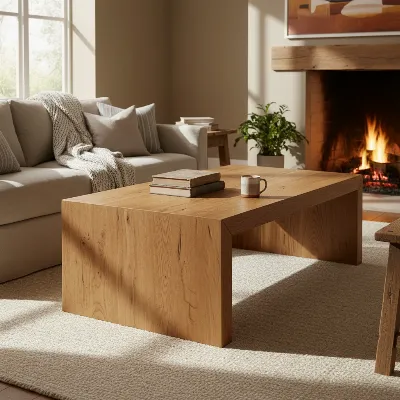 A rustic solid wood coffee table crafted from oak, showcasing its natural grain and warm tones in a cozy living room.
Design & Style Compatibility
Wooden tables are incredibly versatile, seamlessly blending with a wide array of interior styles. They are a natural fit for traditional, rustic, Scandinavian, farmhouse, and even bohemian aesthetics, providing a grounding element with their earthy tones and textures. Whether you prefer a classic, distressed finish or a sleek, contemporary wood design, there’s a wooden coffee table to complement almost any decor.
Glass coffee tables, on the other hand, excel in modern, minimalist, contemporary, and industrial interiors. Their clean lines and transparent surfaces allow them to integrate without visual clutter, making them ideal for spaces where you want to maintain an open, uncluttered feel. Often paired with metal or wood frames, glass tables can also anchor mid-century modern or urban-chic settings, enhancing their sophistication.
Safety & Practicality
For households with high traffic, children, or pets, safety and practicality are paramount. Wooden coffee tables generally offer superior safety, thanks to their sturdy construction and often softer, rounded edges, which minimize the risk of injury from accidental bumps. Wood is also more forgiving with minor impacts, scratches, or dents from daily activities, making it a robust choice for busy family environments.
Glass tables, despite often being made with tempered glass, do carry a perception of fragility. While tempered glass is designed to break into small, dull pieces rather than sharp shards, the risk of breakage is still higher than with wood. Glass surfaces readily show fingerprints, smudges, and dust, requiring more frequent cleaning to maintain a pristine appearance.
Maintenance & Longevity
|
Our Picks for the Best Coffee Table in 2026
As an Amazon Associate I earn from qualifying purchases.
|
||
| Num | Product | Action |
|---|---|---|
| 1 | Furinno Andrey Coffee Table with Bin Drawer, Columbia Walnut/Dark Brown |

|
| 2 | Coffee Table Rectangular Center Table for Living Room Open Space Side Table with Metal Frame, Easy Assembly, Black+ Rustic Brown Wood Coffee Table |
|
| 3 | Mid Century Modern Solid Wooden Coffee Table,Small UniqueTriangle Wood Center Tables, Sturdy TeaTable Suitable for Living Room Bedroom Balcony Patio Walnut |
|
| 4 | Japanese Low Floor Table Folding Coffee Tables,22.5''x13.5'' Paulownia Wood Tables Tatami Tables Meditation Table Altar with Storage |
|
| 5 | Square Nesting Coffee Table Set of 2, 23.6"+19.7" Nesting Tables,Small Square Coffee Table with Fluted,Center Table for Living Room Bedroom Office Balcony Yard (Walnut) |
|
| 6 | Furinno Andrey Coffee Table with Bin Drawer, Amber Pine/Black Small Non-Lift Top |
|
| 7 | CAJCA Coffee Table for Living Room Mid Century Modern Center Table with Glass Top and Wood, Brown/Walnut |
|
| 8 | 35.4" Rectangular Coffee Table for Living Room, Modern Industrial Style Coffee Table Center Table with Metal Frame for Small Space, Apartment, Office, Easy Assembly, Brown |
|
| 9 | HOOBRO Coffee Table for Living Room, Oval Small Coffee Table with 2-Tier Open Storage Shelf, Industrial Cocktail Tea Table, Wooden Desktop Center Table, Farmhouse, Home Office, Rustic Brown BF09KF01 |
|
| 10 | Smuxee Nesting Coffee Table Set of 2, 23.6" Round Coffee Table Wood Grain Top with Adjustable Non-Slip Feet, Industrial End Table Side Tables for Living Room Bedroom Balcony Yard |
|
Maintaining a wooden coffee table typically involves regular dusting and protection from moisture and heat. Using coasters is crucial to prevent water rings and heat marks, and occasional polishing can help preserve its luster. With proper care, a solid wood table can last for generations, developing a rich patina that enhances its character over time. Should it suffer significant damage, wood can often be refinished or repaired.
Glass coffee tables are relatively easy to clean, requiring only a glass cleaner and a microfiber cloth to remove smudges and leave a streak-free shine. They are impervious to moisture and humidity, making them an excellent choice for environments where spills are common. However, deep scratches or chips in glass are often difficult, if not impossible, to repair, potentially necessitating a replacement if the damage is substantial.
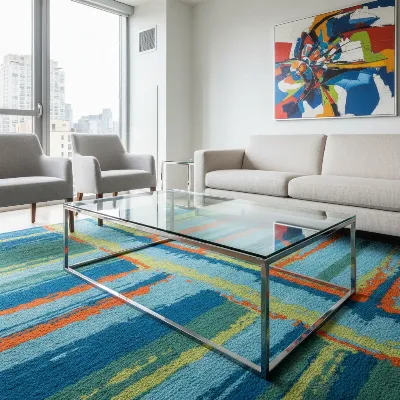 A modern minimalist tempered glass coffee table with clean lines, showcasing a beautiful patterned rug underneath in a bright living room.
Cost & Investment
The cost of coffee tables varies significantly by material, craftsmanship, and brand. Wooden coffee tables can range from affordable engineered wood options to high-end solid wood pieces like oak or walnut, which represent a considerable investment due to their durability and timeless appeal. These tables often hold their value well and can even become cherished family heirlooms.
Glass coffee tables typically fall into a mid-range price segment, though high-quality tempered glass with intricate bases can also be quite expensive. While they may sometimes be more budget-friendly upfront, factors like potential replacement costs for broken tops should be considered. The value of a glass table is often tied to its design and how well it maintains its modern aesthetic over time.
Choosing the Right Coffee Table: A Buyer’s Guide
Selecting the ideal coffee table goes beyond aesthetics; it’s about finding a piece that seamlessly integrates into your lifestyle, complements your existing decor, and fits within your budget. Consider these practical guidelines to ensure your new coffee table is a perfect match.
Assessing Your Lifestyle and Needs
Before anything else, consider how you intend to use your coffee table. Do you need a robust surface for daily activities like eating meals, working from your sofa, or a landing pad for children’s toys? If so, a sturdy wooden table might be your best bet, offering resilience and often additional storage. If your living room is primarily for quiet relaxation or sophisticated entertaining, a glass table can provide an elegant, unobtrusive surface for drinks and decorative items. The presence of children or pets should heavily influence your decision, prioritizing materials that are less prone to damage and safer in high-traffic areas.
Complementing Your Interior Design
Your coffee table should be an extension of your room’s overall aesthetic. If your living room features heavy furniture, plush fabrics, or a predominantly traditional theme, a wooden coffee table will add warmth and help ground the space. For contemporary, minimalist, or smaller rooms, a glass coffee table can create a sense of openness and airiness, preventing the space from feeling cluttered. Mixed-material tables, which often combine a wood base with a glass top, offer a versatile solution that bridges different styles and maximizes both stability and visual lightness.
Budgeting for Your Coffee Table
Coffee tables are available across a wide range of price points, catering to various budgets. Entry-level options for both wood and glass can be found, offering functional and stylish pieces without a significant investment. Mid-range tables typically feature better quality materials and craftsmanship, providing a balance of durability and aesthetic appeal. For those looking to make a statement or invest in a piece that will last for generations, high-end solid wood or designer glass tables offer premium quality and unique designs. It’s important to consider the long-term value and maintenance costs associated with your choice.
Considerations for Online Purchase
When buying a coffee table online, several factors should guide your decision. Always choose reputable retailers with clear return policies and excellent customer service. Carefully examine all product images and read detailed descriptions, paying close attention to dimensions, material specifications (e.g., solid wood vs. veneer, tempered glass), and assembly requirements. Customer reviews can offer invaluable insights into the actual product quality, durability, and customer satisfaction. Finally, inspect the product thoroughly upon delivery, ensuring it matches the description and is free from any damage before accepting it.
Top Coffee Table Trends for 2026: Wood and Glass Editions
In 2026, coffee table design is embracing a blend of tactile richness, softer silhouettes, and purposeful functionality. Both wood and glass are central to these evolving trends, often appearing in innovative combinations and finishes that elevate the living space.
Sculptural, organic shapes are replacing strict geometry, with pebble-like tops, softened corners, and asymmetrical outlines gaining popularity. This trend makes rooms feel calmer and improves flow, especially in family homes. Warm woods like walnut and oak, with their rich tones and expressive grains, are highly sought after. Burl wood, with its unique swirls and knots, is a key material for adding depth and artisanal character. These craftsmanship-forward wood pieces often feature fluted bases or slim legs, embodying a “quiet luxury” aesthetic that integrates subtly into existing decor.
Glass coffee tables remain firmly in style for 2026, particularly smoked, tinted, or ribbed versions. These variations add a layer of sophistication and reduce glare, while still offering the visual lightness that glass is known for. Often, glass tops are paired with warm wood or metal bases, showcasing the popular mixed-material trend. This combination offers the best of both worlds: the warmth and stability of wood with the sleek, airy feel of glass. Designers are leveraging glass to create an illusion of space, making it perfect for showcasing beautiful rugs underneath. Lower-profile and “lounge height” silhouettes are also prevalent, reflecting a more relaxed and casual approach to living room design.
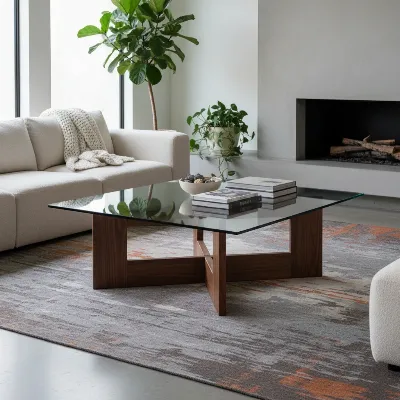 A contemporary coffee table featuring a dark wood base and a clear glass top, showcasing a blend of warmth and modern design in a stylish living room.
Frequently Asked Questions
What are the main benefits of a wood coffee table?
Wood coffee tables offer exceptional durability, natural warmth, and a timeless aesthetic that complements many interior styles. They are generally robust, forgiving of minor impacts, and can often be refinished, making them a long-lasting investment that adds a cozy, inviting feel to your living space.
Why might a glass coffee table be a better choice for my home?
A glass coffee table is ideal for creating a modern, sleek, and open aesthetic. Its transparency makes smaller rooms appear larger and brighter, and it seamlessly blends with contemporary decor. Tempered glass provides reasonable durability against breakage and is very easy to clean from spills.
Is tempered glass truly safe for a coffee table, especially with children around?
Yes, tempered glass is significantly safer than regular glass. When broken, it shatters into small, relatively harmless pebble-like pieces rather than sharp shards, reducing injury risk. However, supervision and choosing designs with rounded edges can further enhance safety in households with children.
How do I prevent water rings and scratches on a wooden coffee table?
To protect a wooden coffee table from water rings and scratches, always use coasters for drinks and placemats for other items. Regular dusting with a soft cloth and applying a protective wood polish periodically can also help maintain its finish and prevent minor abrasions.
Are mixed-material coffee tables a good investment in 2026?
Mixed-material coffee tables, particularly those combining wood and glass, are an excellent investment in 2026. They offer a stylish blend of durability, visual lightness, and warmth, aligning perfectly with current trends for layered and tactile interiors. This versatility allows them to suit a broader range of decor styles.
Which coffee table material is better for heavy daily use?
For heavy daily use, a wooden coffee table is generally the better choice. Wood is sturdier and more stable, capable of withstanding constant activity, placing food trays, or supporting laptops without easily showing signs of wear or damage.
How often should I clean a glass coffee table to keep it looking good?
Glass coffee tables require frequent cleaning, often daily, to maintain their pristine appearance. Fingerprints, smudges, and dust are highly visible on glass surfaces, so a quick wipe with a glass cleaner and a microfiber cloth will keep it looking sparkling and clear.
Frequently Asked Questions
What are the main benefits of a wood coffee table?
Wood coffee tables offer exceptional durability, natural warmth, and a timeless aesthetic that complements many interior styles. They are generally robust, forgiving of minor impacts, and can often be refinished, making them a long-lasting investment that adds a cozy, inviting feel to your living space.
Why might a glass coffee table be a better choice for my home?
A glass coffee table is ideal for creating a modern, sleek, and open aesthetic. Its transparency makes smaller rooms appear larger and brighter, and it seamlessly blends with contemporary decor. Tempered glass provides reasonable durability against breakage and is very easy to clean from spills.
Is tempered glass truly safe for a coffee table, especially with children around?
Yes, tempered glass is significantly safer than regular glass. When broken, it shatters into small, relatively harmless pebble-like pieces rather than sharp shards, reducing injury risk. However, supervision and choosing designs with rounded edges can further enhance safety in households with children.
How do I prevent water rings and scratches on a wooden coffee table?
To protect a wooden coffee table from water rings and scratches, always use coasters for drinks and placemats for other items. Regular dusting with a soft cloth and applying a protective wood polish periodically can also help maintain its finish and prevent minor abrasions.
Are mixed-material coffee tables a good investment in 2026?
Mixed-material coffee tables, particularly those combining wood and glass, are an excellent investment in 2026. They offer a stylish blend of durability, visual lightness, and warmth, aligning perfectly with current trends for layered and tactile interiors. This versatility allows them to suit a broader range of decor styles.
Which coffee table material is better for heavy daily use?
For heavy daily use, a wooden coffee table is generally the better choice. Wood is sturdier and more stable, capable of withstanding constant activity, placing food trays, or supporting laptops without easily showing signs of wear or damage.
Get our weekly buyer guide
Practical specs, not advice. Unsubscribe anytime.

I was really torn between a wood and glass coffee table for my new apartment. After reading about how glass tables make a room feel more spacious, I went with a tempered glass option. It totally opened up my small living area and looks super chic. So happy with my choice!
My wife and I were redecorating and couldn’t decide. We have kids, so durability was key. The point about solid wood tables lasting for decades really sealed the deal for us. We found a gorgeous, heavy wood table that feels like it will stand up to anything. Great advice!
We’ve always had wood tables, and I appreciate the durability of a solid oak. This time, we wanted something different. The article helped me understand the pros and cons, and we ended up with a beautiful, sturdy wood table that fits our rustic decor perfectly. It’s a classic for a reason.
I got a wood coffee table hoping for that warm, traditional feel. While it looks nice, I didn’t realize how much maintenance it would need compared to my old one. It shows dust pretty easily, and I’m constantly wiping it down. Next time, I might consider glass for less upkeep.