Choosing between a marble and wood coffee table depends on balancing aesthetic preference, practical lifestyle needs, and maintenance commitment. Marble offers unparalleled luxury and sophistication, ideal for formal spaces with dedicated care, while wood provides warmth, durability, and versatility, making it suitable for dynamic family homes. Each material presents distinct advantages and drawbacks that influence its suitability for different living environments.
Exploring Coffee Table Materials: Marble vs. Wood
When it comes to coffee tables, marble and wood stand out as two of the most popular and enduring material choices. Each brings a unique character and set of practical implications to your living room. Understanding these characteristics is the first step toward making an informed decision.
The Allure of Marble Coffee Tables
Marble coffee tables instantly imbue a space with a sense of luxury and sophistication. Known for its distinct veining and cool, smooth surface, marble has been a symbol of opulence for centuries. These tables often become striking focal points, blending seamlessly into various interior design themes, from minimalist modern to classic grandeur. For see our coffee tables recommendations on this site.
Pros of Marble Coffee Tables:
- Stunning Aesthetic: Marble’s natural patterns and polished finish are unparalleled, offering a unique, luxurious look that makes each piece one-of-a-kind.
- Timeless Elegance: This natural stone never goes out of style, ensuring your coffee table remains a sophisticated centerpiece for decades.
- Durability (with proper care): While it requires attention, marble is a dense stone that can last for generations when maintained correctly.
- Heat Resistance: Marble can withstand high temperatures, making it suitable for placing hot cups or dishes without concern for warping or discoloration.
- Versatility: Available in various natural colors and patterns, marble complements both modern and traditional settings, adapting beautifully to diverse design styles.
Cons of Marble Coffee Tables:
- High Maintenance: Marble is porous and susceptible to staining from acidic liquids (like wine or lemon juice) and requires diligent cleaning. Regular sealing, often annually or bi-annually, is crucial to protect its surface.
- Easily Scratched and Etched: Despite its hardness, marble can be scratched by sharp objects or etched by acids, which can dull its polished finish. Unlike wood, these marks are often difficult and costly to repair.
- Heavy Weight: Marble tables are considerably heavier than most wood options, making them challenging to move or rearrange.
- Costly Investment: Natural marble tables typically come with a higher price tag, both initially and potentially for professional repairs or resurfacing.
Marble coffee tables are best suited for those who appreciate their inherent beauty and are committed to the necessary upkeep. They excel as showpieces in formal living rooms or as elegant anchors in sophisticated, contemporary spaces.
The Warmth and Versatility of Wood Coffee Tables
|
Our Picks for the Best Coffee Table in 2026
As an Amazon Associate I earn from qualifying purchases.
|
||
| Num | Product | Action |
|---|---|---|
| 1 | Square Nesting Coffee Table Set of 2, 23.6"+19.7" Nesting Tables,Small Square Coffee Table with Fluted,Center Table for Living Room Bedroom Office Balcony Yard (Walnut) |

|
| 2 | HOOBRO Coffee Table for Living Room, Oval Small Coffee Table with 2-Tier Open Storage Shelf, Industrial Cocktail Tea Table, Wooden Desktop Center Table, Farmhouse, Home Office, Rustic Brown BF09KF01 |
|
| 3 | Furinno Andrey Coffee Table with Bin Drawer, Amber Pine/Black Small Non-Lift Top |
|
| 4 | 35.4" Rectangular Coffee Table for Living Room, Modern Industrial Style Coffee Table Center Table with Metal Frame for Small Space, Apartment, Office, Easy Assembly, Brown |
|
| 5 | Coffee Table Rectangular Center Table for Living Room Open Space Side Table with Metal Frame, Easy Assembly, Black+ Rustic Brown Wood Coffee Table |
|
| 6 | Furinno Andrey Coffee Table with Bin Drawer, Columbia Walnut/Dark Brown |
|
| 7 | Japanese Low Floor Table Folding Coffee Tables,22.5''x13.5'' Paulownia Wood Tables Tatami Tables Meditation Table Altar with Storage |
|
| 8 | Mid Century Modern Solid Wooden Coffee Table,Small UniqueTriangle Wood Center Tables, Sturdy TeaTable Suitable for Living Room Bedroom Balcony Patio Walnut |
|
| 9 | Smuxee Nesting Coffee Table Set of 2, 23.6" Round Coffee Table Wood Grain Top with Adjustable Non-Slip Feet, Industrial End Table Side Tables for Living Room Bedroom Balcony Yard |
|
| 10 | CAJCA Coffee Table for Living Room Mid Century Modern Center Table with Glass Top and Wood, Brown/Walnut |
|
Wood coffee tables evoke a sense of natural warmth, comfort, and authenticity. From rustic farmhouse designs to sleek, mid-century modern pieces, wood offers an incredible range of styles, finishes, and wood types, each contributing a unique texture and character to your home.
Pros of Wood Coffee Tables:
- Natural Warmth and Aesthetic: Wood brings an inviting, organic feel to any room, creating a cozy and homely atmosphere. Its natural grain patterns add visual depth and texture.
- Exceptional Versatility: Wood complements almost all interior styles, including rustic, farmhouse, Scandinavian, minimalist, and traditional. It’s a material that truly never goes out of fashion.
- Durability and Longevity: Especially when crafted from hardwoods like oak, walnut, or maple, wood coffee tables are built to last for years, withstanding daily wear and tear.
- Repairability: Unlike marble, wood is highly forgiving. Minor scratches, dents, and water rings can often be sanded out, stained, or refinished, allowing the table to be restored multiple times over its lifespan.
- Hides Imperfections Well: Wood surfaces are generally more forgiving than glass or polished stone when it comes to fingerprints, dust, and minor scuffs.
- Customizable: Wood can be easily stained, painted, or treated to match existing decor or achieve a desired aesthetic, offering greater flexibility in design.
- Variety in Price: Wood tables come in a wide range of price points, from budget-friendly engineered wood and veneers to high-quality hardwoods, making them accessible to diverse budgets.
Cons of Wood Coffee Tables:
- Susceptible to Water Rings and Stains: Without diligent use of coasters or protective finishes, wood can easily develop water rings and stains from spills, which can penetrate the finish.
- Vulnerable to Scratches and Dents: While repairable, wood can scratch and dent, particularly softer woods like pine.
- Humidity Sensitivity: Wood is a hygroscopic material, meaning it can expand and contract with changes in humidity, potentially leading to warping or cracking if not properly kiln-dried or maintained in a stable environment.
- Can Be Heavy: Solid wood tables, especially those made from dense hardwoods, can still be quite heavy, though generally less cumbersome than marble.
- Requires Regular Care: To maintain its beauty and prevent drying or cracking, wood may need occasional oiling, polishing, or reapplication of protective finishes.
Wood coffee tables are an excellent choice for those seeking a durable, warm, and versatile piece that can adapt to changing styles and withstand the rigors of daily family life. They develop a unique patina over time, telling a story of their use.
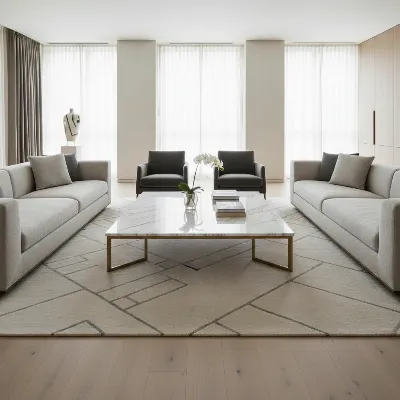 Elegant white marble coffee table centerpiece in a minimalist luxury living room.
Head-to-Head: Marble vs. Wood Coffee Table Comparison Table
To simplify your decision, here’s a direct comparison of marble and wood coffee tables across key attributes:
| Feature | Marble Coffee Table | Wood Coffee Table |
|---|---|---|
| Aesthetic | Luxurious, elegant, cool, sophisticated, unique | Warm, inviting, natural, cozy, versatile, textural |
| Durability | Hard, heat-resistant, long-lasting with care | Durable (especially hardwoods), resilient to minor impacts, ages gracefully |
| Maintenance | High: Regular sealing, immediate spill cleanup, pH-neutral cleaners, prone to etching/stains. | Moderate: Coasters vital, occasional polishing/oiling, susceptible to water rings, refinishable for deep marks. |
| Repairability | Difficult and expensive for chips/cracks/deep etches. | High: Scratches/dents can be sanded and refinished multiple times. |
| Weight | Very heavy, difficult to move | Varies (solid wood can be heavy, engineered wood lighter), generally easier to reposition |
| Cost | Premium investment, higher initial and repair costs | Wide range: Affordable (veneers/softwoods) to high-end (hardwoods); generally lower long-term repair costs. |
| Ideal Setting | Formal, luxurious, modern minimalist, traditional, statement piece | Family-friendly, rustic, farmhouse, Scandinavian, mid-century modern, cozy, adaptable, everyday use |
Top Considerations When Choosing Your Coffee Table
Beyond the material’s inherent properties, your lifestyle and specific home environment play crucial roles in determining which coffee table is right for you. Thinking through these points will guide you toward the best fit.
Lifestyle and Usage: Consider how your coffee table will be used daily. Do you have children or pets? If so, a durable, forgiving material that can withstand frequent spills, bumps, and general wear and tear might be preferable. Wood, with its ability to hide minor imperfections and be refinished, often shines in busy households. A marble table might require more vigilance to prevent damage.
Interior Design Style: Your coffee table should complement your existing decor. A sleek marble top can enhance a modern, minimalist, or glam aesthetic, while a robust wooden table can ground a rustic, farmhouse, or traditional living room. Mixed-material designs featuring wood bases with marble tops offer a blend of both worlds.
Maintenance Commitment: Be honest about how much time and effort you’re willing to dedicate to furniture care. If you prefer minimal upkeep, wood (with proper initial sealing/finish) might be less demanding than marble, which necessitates regular sealing and immediate attention to spills to avoid permanent damage.
Budget: Both materials have varying price points, but natural marble generally starts at a higher price and can incur more significant repair costs. High-quality solid wood can also be an investment, but more budget-friendly wood options like engineered wood or veneers are readily available.
Coffee Table Buying Guide: Making the Right Choice
With an understanding of marble and wood’s characteristics and how they align with your lifestyle, you’re better equipped to navigate the buying process.
Understanding Your Needs
Before diving into material choices, pinpoint the functional requirements for your coffee table. What size and shape best suit your living room layout? Consider traffic flow and the dimensions of your sofa and other seating. Do you need additional storage, such as drawers or shelves, to keep remotes, magazines, or blankets tidy? Some tables even feature lift-tops for dining or working from the sofa.
Material Matters: Beyond Aesthetics
While aesthetics are important, consider the practical implications of your chosen material. For instance, if you have young children, you might prioritize safety—wood typically presents fewer sharp edges and is less prone to shattering than some alternative materials. Think about longevity; a well-chosen piece from either material can last for decades. Ease of cleaning is also key; some prefer the smooth, wipeable surface of marble (when properly sealed), while others appreciate wood’s ability to disguise minor dust and smudges.
Price Points: What to Expect
Coffee tables span a wide price spectrum.
- Budget-friendly options: Often include engineered wood with veneers or composite marble-effect materials. These can offer style at a lower cost but might compromise on long-term durability and repairability.
- Mid-range options: Solid wood tables from common hardwoods like pine or oak, or genuine marble tables of smaller sizes, fall into this category, offering a good balance of quality and price.
- Premium options: Exquisite solid hardwoods, exotic woods, or large, high-grade natural marble slabs represent a significant investment, promising superior craftsmanship and lasting beauty.
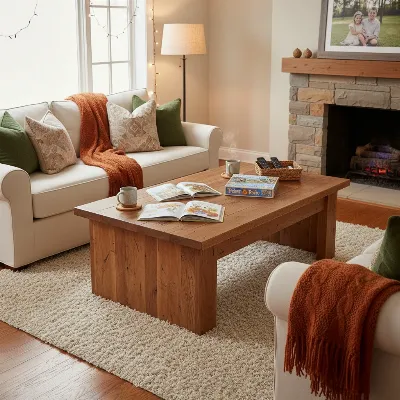 Warm wooden coffee table surrounded by comfortable seating in a cozy family living space.
Tips for Online Purchase
Buying a coffee table online can offer a wider selection and competitive pricing, but it requires careful consideration. Always choose reputable sellers with clear return policies. Examine product images closely, reading descriptions for dimensions, materials (e.g., solid wood vs. veneer, natural marble vs. composite), and finish details. Crucially, read customer reviews for insights into actual product quality, shipping experiences, and durability. Once your table arrives, inspect it immediately for any damage before accepting delivery.
Conclusion
The decision between a marble and wood coffee table ultimately comes down to a harmonious blend of personal aesthetic preference, practical lifestyle needs, and your commitment to maintenance. Marble offers unparalleled luxury and a timeless, sophisticated appeal, ideal for those who value elegance and are prepared for its specific care requirements. Wood, on the other hand, provides a warm, inviting atmosphere, robust durability, and greater flexibility in terms of repair and style versatility, making it a fantastic choice for dynamic family homes. Both materials represent a significant investment in your living space, promising to anchor your room for years to come. By carefully weighing their unique characteristics against your own priorities, you can confidently choose a coffee table that not only completes your decor but also perfectly suits your life. Which material truly resonates with the soul of your home?
Frequently Asked Questions
Frequently Asked Questions
Is a marble or wood coffee table more durable?
Both marble and wood can be durable, but in different ways. Marble is hard and heat-resistant, yet prone to etching and chipping that is difficult to repair. Wood, especially hardwoods like oak, is resilient to impacts and can be easily refinished, making it more forgiving for everyday wear and tear in many households.
Which coffee table material is easier to maintain?
Wood is generally considered easier to maintain for most households. While it needs protection from water rings, minor scratches and wear can often be addressed with simple refinishing. Marble requires more diligent care, including regular sealing (typically annually or bi-annually) and immediate cleaning of spills, due to its porosity and sensitivity to acids.
What is the cost difference between marble and wood coffee tables?
Natural marble coffee tables typically come with a higher upfront cost and more expensive repair options. Wood coffee tables offer a wider price range, from more affordable engineered wood options to premium hardwoods, and are generally less costly to maintain or repair long-term.
Is a marble coffee table suitable for a family with children?
While elegant, a marble coffee table might be less ideal for a family with young children due to its susceptibility to scratches, etching from spills, and heavy weight which can pose a safety concern during movement. A durable wood table is often a more forgiving and practical choice for busy family environments.
How do I prevent stains on a marble coffee table?
To prevent stains on a marble coffee table, it is essential to have it professionally sealed regularly, typically annually or bi-annually. Always use coasters for drinks and placemats for food, and wipe up any spills immediately with a soft cloth and a pH-neutral cleaner to avoid permanent damage.
Can a wooden coffee table be refinished?
Yes, one of the significant advantages of a wooden coffee table is its excellent repairability. Minor scratches and dents can often be sanded out, and the entire surface can be stripped and refinished multiple times throughout its lifespan, restoring its original beauty or even changing its look.
Get our weekly buyer guide
Practical specs, not advice. Unsubscribe anytime.

This was super helpful in making my final decision! I’ve always loved the look of marble but was worried about practicality. The breakdown of how marble is ideal for formal spaces with dedicated care made me realize it’s exactly what I need for my less-used sitting room. It’s truly a statement piece.
We have a busy house with kids and pets, so durability was key for us. The article’s point about wood being great for dynamic family homes really resonated. We ended up getting a solid oak coffee table, and it’s been fantastic. It handles spills and bumps like a champ, and the warmth it adds to the room is perfect.
I loved the idea of a marble coffee table for its sophistication, and it does look stunning. However, the maintenance commitment is a bit more than I anticipated. I’ve already had a minor etching from a forgotten glass, even though I’m usually careful. It’s beautiful, but definitely requires constant vigilance.
I was really torn between a marble and wood coffee table for my new apartment. After reading about the pros and cons, I decided to go with a beautiful marble top. It totally elevated my living room and feels so luxurious, just like the post mentioned. I’m careful with coasters, but the elegance is worth the extra care.